


Theater holds up a mirror to you. It invites you to take a fresh look at yourself, the world, and all the unwritten social norms that we’re far too quick to accept as “normal.” Especially when you’re watching a performance that completely turns your expectations upside down and forces you to really think differently for a moment.
It’s been a while since I attended the premiere of Alex Klaassen’s musical *The Disorder of My Life *, which was enthusiastically received with “six stars out of five.” The musical explores the strained relationship between two brothers, one of whom—Alex Klaassen in the role of Jasper—is on the autism spectrum. Jasper is a die-hard musical fan. He loves the predictable structure of a musical and thinks it’s great that this show is about him. But three-quarters of the way through the performance, he realizes something crucial: this musical is actually about his neurotypical brother. A brother who, with the very best of intentions, constantly clashes with others by dictating how things should be done and who thinks he knows better what’s good for Jasper.
That brother, in fact, has all kinds of opinions about Jasper’s life. He thinks Jasper should have a “normal” job, find a partner, and conform to social norms. But what about Jasper himself? He’s in his own world, with his own friends, interests, and passions—and he’s just incredibly happy.
In *The Disorder of My Life*, all kinds of aspects of autism are portrayed in a truly beautiful, nuanced way. This allows the audience to understand that the spectrum isn’t a straight line where you either score “high” or “low,” but rather an extremely varied and complex mix of challenges and unique traits. Because that mix is so unique for every child, it helps immensely to be able to put the right words to it. That’s why I’m pro-diagnosis. When you know what you’re dealing with—whether it’s autism, ADHD, or something else—the pieces of the puzzle finally fall into place. A diagnosis provides insight, recognition, guidance, and peace of mind. But what I do struggle with is the automatic association with the word “disability.” Because when you watch a performance like that, you wonder: who is actually the most limited? The person who follows their own authentic path, or the environment that clings desperately to how things “should” be according to the book?
At InterActing, I often say, “Don’t focus on what isn’t possible, but on the possibilities and the talent that is there.”
At InterActing, August has been the month of our summer programming for years. During the last week of summer break, we offer our young people on the spectrum a really cool, creative summer week—from voice acting to coming up with skits.
Last Thursday, I was in the audience at one of the final performances, and what a beautiful, colorful group of young people was beaming on stage! One proudly wore a cat tail and cat ears, while another wore an elegant skirt with a corset. Everyone was allowed to be 100% themselves.
At the start of a summer week like this, the tension is often palpable. Starting something new is challenging for everyone, and for children and teens on the spectrum—and their parents—that hurdle can sometimes feel especially high. Parents worry about how things will go, and on the first day, young people sometimes wonder if they even want to come back at all.
One of the mothers described that tension and the sense of relief afterward so beautifully:
Our daughter was absolutely convinced she wouldn’t go more often than on Mondays. She didn’t mention it on Tuesday, but she definitely didn’t go on Thursday. On Wednesday, she said, “The coach just gets us.” That’s a huge compliment. We’re incredibly proud that she was on stage yesterday!
That Thursday afternoon, I was moved once again, because on that stage I saw no “limitations.” I saw young people who accepted one another completely, friendships being formed, and an enormous amount of creativity. Of course, living with autism comes with challenges, and adjustments often need to be made. But when we let go of societal labels and look at what makes someone happy, we see that our children are often much more resilient and flexible than the world around them realizes.
Theater doesn’t just hold up that mirror to us; above all, it’s the place where you can practice living with confidence and without barriers.
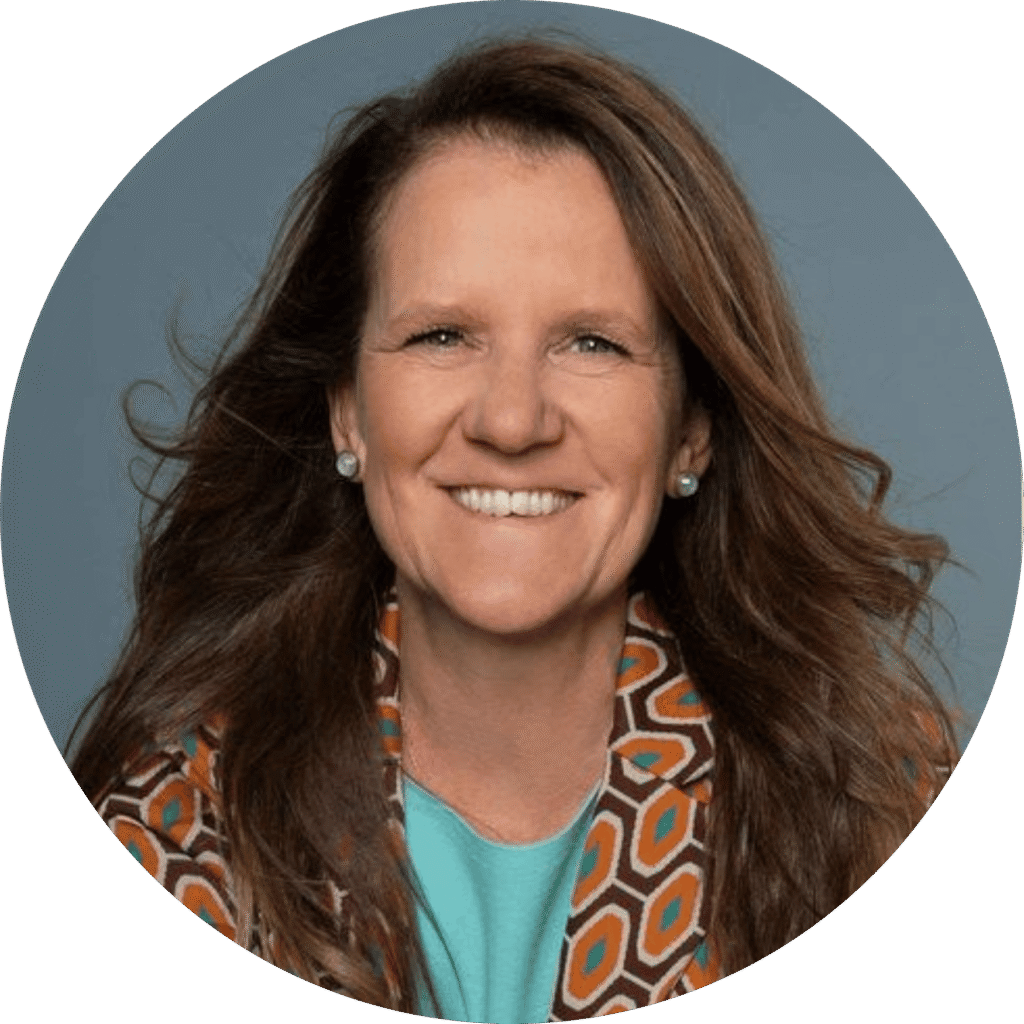
About Saskia Maas
Saskia Maas is co-founder and director of Stichting InterActing, a theater school that helps young people with autism increase their social flexibility through improvisational theater. She is also CEO of Boom Chicago (the international comedy institute and theater-venue in Amsterdam) and the founder of Falcon Artists (an agency focused on managing and developing creative talent). A proud mother of her sons Finn and Aidan (who herself has autism), she combines her experience in the theater world with her personal mission to look for opportunities, develop talent and celebrate unique, colorful brains.